
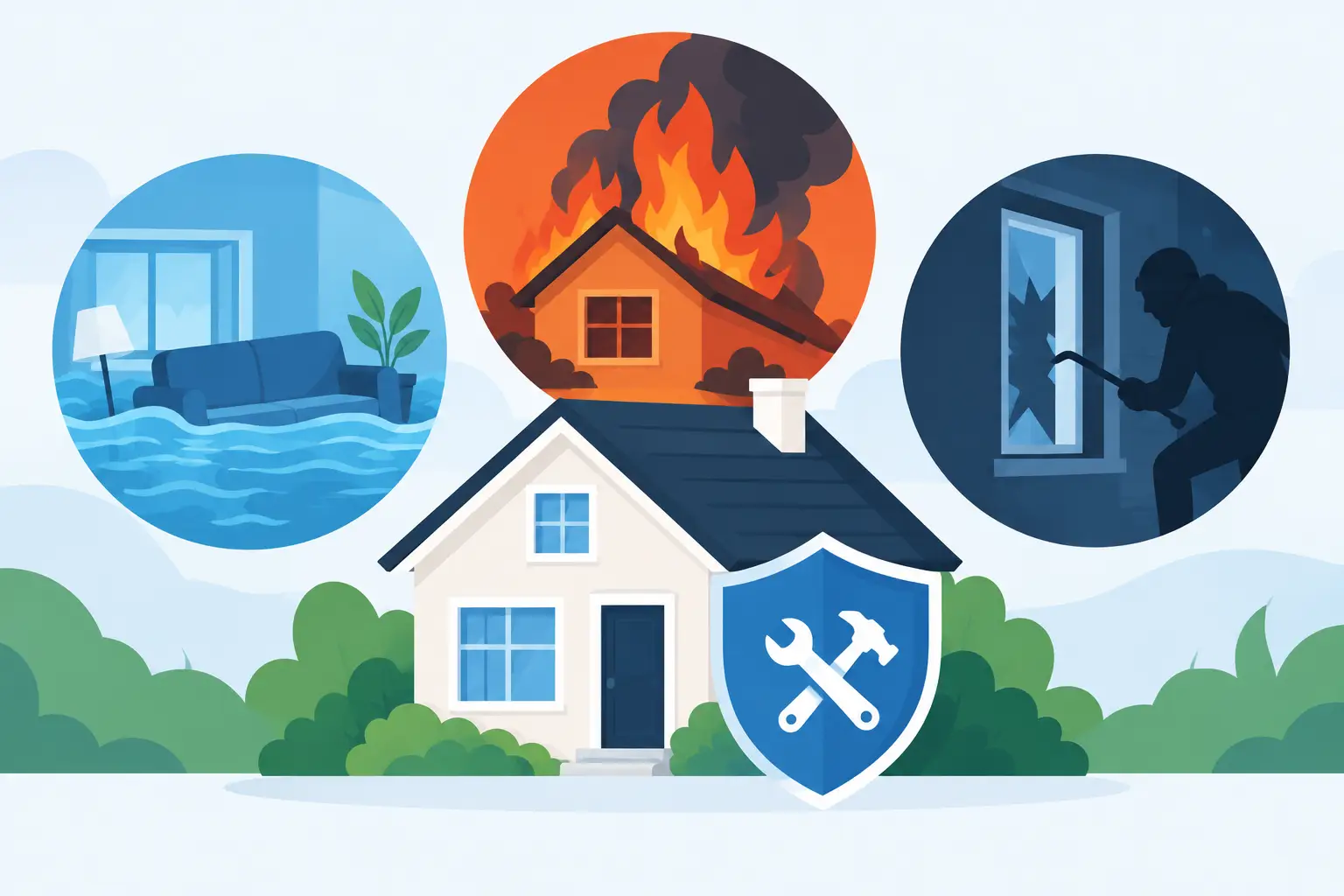
A burst pipe can soak ceilings in more than one room before the water is isolated. A forced door can leave a property insecure at midnight. Insurance repairs are not simply about making damage look better – they start with making the building safe, limiting further loss and giving your insurer a clear picture of what has happened.
For homeowners, landlords and property managers, the pressure usually comes from having several jobs at once: emergency access, drying, security, damaged finishes and the paperwork behind a claim. A practical repair plan keeps these jobs in the right order.
What to do before insurance repairs begin
First, deal with the immediate risk. Turn off the water where there is an active leak, isolate electricity if it may have been affected, and secure doors, windows or damaged locks after a break-in. If the property is unsafe, do not wait for a full repair specification before arranging emergency work.
Take clear photographs and short videos before debris is removed or damaged areas are opened up, where it is safe to do so. Keep notes of the date, the likely cause, the rooms affected and any emergency attendance. Save receipts for reasonable emergency costs, such as temporary boarding, lock replacement or water extraction.
Report the incident to your insurer or managing agent promptly. Policies differ. Some insurers will appoint a loss adjuster or preferred contractor, while others will ask you to obtain a scope of works and quotation. Do not assume every repair is automatically covered, and avoid authorising non-emergency reinstatement until you understand the approval process.
Insurance repairs need the right scope of work
A proper scope separates emergency protection from permanent reinstatement. This matters because the visible damage is not always the full extent of the problem. Water staining on a ceiling may be linked to wet insulation, damaged plasterboard, swollen timber or a continuing plumbing fault. Smoke damage can affect walls, flooring, cupboards and ventilation beyond the room where the fire started.
The repair specification should identify the cause where possible, the affected areas and the work needed to return the property to a sound condition. It may include drying and dehumidifying, plaster repairs, carpentry, tiling, decorating, replacement locks, glazing or kitchen and bathroom repairs. Structural work needs particular care and, where required, suitable professional assessment before work starts.
For a landlord, the scope should also consider whether the property can be safely occupied. A tenant may need heating, secure entry, working sanitation and safe electrics before decorative repairs are complete. In a commercial unit, keeping customers and staff away from unsafe areas may be the immediate priority.
Why one point of contact helps after damage
Property damage rarely stays within one trade. A leak might require a plumber to stop the source, a carpenter to repair a floor or skirting, a plasterer to restore walls and a decorator to finish the room. After a break-in, there may be lock repairs, door-frame work, boarding and security improvements.
Using a multi-trade maintenance team reduces the handovers between separate contractors. It also makes it easier to coordinate the sequence of works. There is little value in redecorating before moisture levels are suitable, or fitting a new lock before a damaged frame has been repaired properly.
A2Z-Maintenance can assess the repair requirements, provide a job-specific quotation and organise the practical work across the relevant trades. Costs depend on the size of the damaged area, materials, access, the condition found once surfaces are opened and whether emergency attendance is needed. A clear quotation should explain what is included and identify any work that may need further investigation.
Common mistakes that delay a property damage claim
The most common mistake is repairing the visible finish while the original cause remains unresolved. Repainting water marks without fixing the leak can lead to more damage and another claim. The same applies to fitting a replacement lock without addressing a split door, weak frame or damaged hinge.
Another issue is disposing of damaged items or removing evidence too quickly. Emergency clean-up is often necessary, but photographs and records should come first wherever possible. Finally, do not confuse insurer approval with a blank cheque. Check the excess, settlement basis, policy limits and whether like-for-like replacement is covered before choosing upgraded materials or a larger refurbishment.
When the damage is under control, a well-planned repair does more than restore the appearance of a room. It gives you a safe, secure and usable property again – with the cause dealt with rather than covered over.



Leave a Comment